
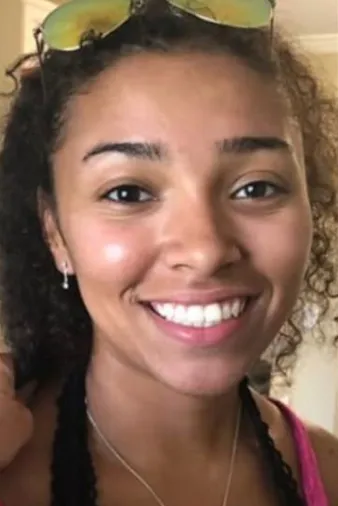
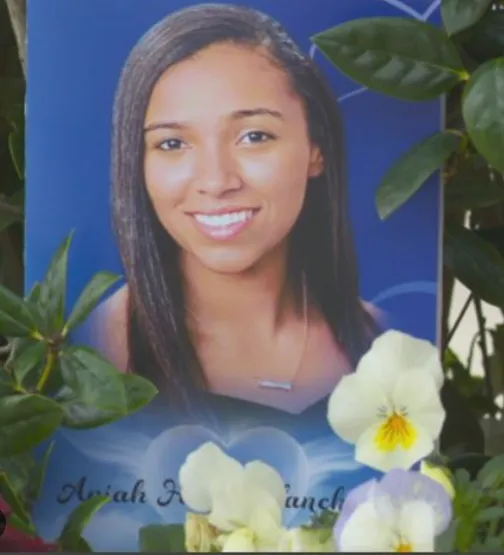
In a high‑profile and long‑awaited legal proceeding in east Alabama, jury selection has concluded for the capital murder trial of Ibraheem Yazeed, who stands accused of kidnapping and killing 19‑year‑old college student
Aniah Blanchard in October 2019, a crime that shocked the region and galvanized public outcry for justice.
The process of ᴀssembling a fair and impartial jury — a cornerstone of the American legal system — drew hundreds of potential jurors to the Macon County Courthouse in Tuskegee, Alabama, starting on March 2, 2026, with attorneys for both sides meticulously questioning citizens about their backgrounds, biases, and views on the death penalty.
After days of voir dire — the procedure in which jurors are vetted and challenged — a panel of 12 jurors was selected, consisting of eight women and four men, along with alternate jurors who will step in if needed as the trial continues.
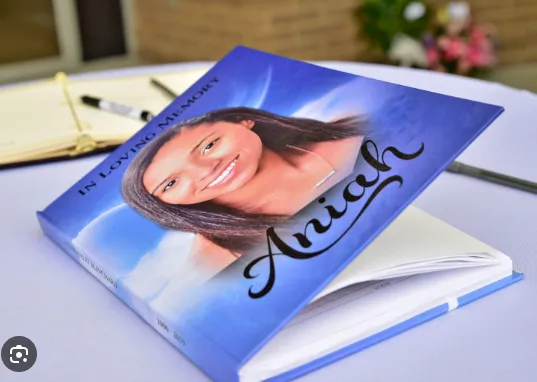
The gravity of the proceedings reflects both the horrific nature of Blanchard’s disappearance and death and the broader implications for Alabama’s justice system.
Blanchard, a 19‑year‑old student at Southern Union State Community College from Homewood, Alabama, vanished on the night of October 23, 2019, after being seen at a Chevron gas station in Auburn, and her disappearance launched a mᴀssive search that gripped the community and drew national media attention.
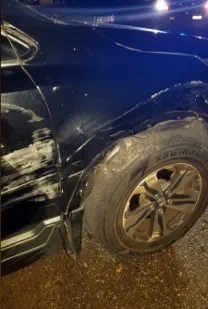
Her abandoned vehicle was later found with blood inside and signs of a violent struggle, and a month‑long search culminated in the discovery of her remains in a wooded area of Macon County, conclusively ending the search but beginning a quest for answers and accountability.
Investigators quickly homed in on Ibraheem Yazeed, a 36‑year‑old man from Montgomery, Alabama, after surveillance footage showed him at the gas station at the same time Blanchard was last seen, and eventually placed him in connection with her disappearance.
According to police records and court filings, Yazeed was already out on bond in another case involving violent charges when Blanchard was killed — a fact that fueled public outrage and later helped prompt changes to Alabama’s bail laws known as
“Aniah’s Law.”

Prosecutors have charged Yazeed with three counts of capital murder — murder during a kidnapping, murder during a robbery, and murder involving the theft of a vehicle — all of which carry the possibility of the death penalty if a conviction is secured.
During pretrial hearings, prosecutors confirmed that they intend to seek the most severe punishment allowable under Alabama law, a decision that made jury selection especially sensitive and complex, as attorneys explored potential jurors’ views on capital punishment and whether they could fairly apply the law to such an emotionally charged case.

The jury selection process was marked by pointed questioning about jurors’ experiences with crime and the legal system, their ability to remain unbiased despite pretrial publicity, and their willingness to consider the death penalty if the facts warranted it.

Many potential jurors expressed deep reservations about capital punishment, with some citing religious objections or ethical concerns about imposing a death sentence, prompting additional rounds of questioning from both the judge and attorneys.
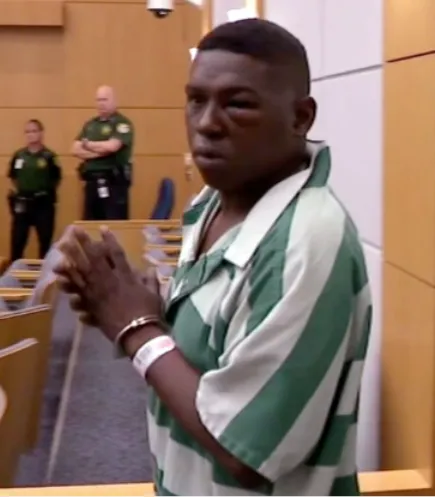
Retired Circuit Judge Tom Young — appointed to preside over the trial under Alabama’s Speedy Trial Act — oversaw much of this screening process and worked to ensure that the eventual panel could uphold the law while being capable of considering all possible sentences.
Both Yazeed’s defense team and prosecutors faced challenges in striking jurors without creating a panel that was too sympathetic or too hostile to either side’s arguments.
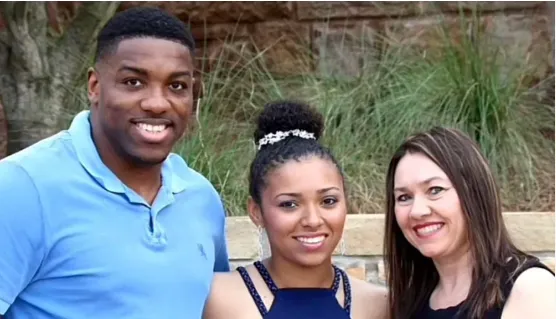
Defense attorneys probed jurors about their beliefs in reasonable doubt and the presumption of innocence, while prosecutors worked to ensure that jurors could fairly weigh the state’s evidence and the testimony of law enforcement and forensic experts.
The complex nature of the charges — and the potential consequences for Yazeed — made each juror’s individual perspective a critical area of scrutiny, with parties exercising both peremptory challenges and challenges for cause to craft the final panel.
The depth of emotion surrounding the case — particularly among family members and community supporters — added to the solemn atmosphere in the courthouse throughout the week of jury selection.

Blanchard’s parents and stepfather, visibly present during some of the proceedings despite a court‑ordered gag preventing direct communication with the media, bore witness to the procedural steps that could finally bring their daughter’s alleged killer before a jury of his peers.
Yazeed’s family was not present during all sessions of jury selection, and both sides were restricted from speaking publicly about strategy due to the gag order, an effort by the court to minimize external influence and media speculation.
As the final panel was seated, questions turned toward the imminent beginning of trial proceedings, with opening statements scheduled to commence shortly after the jury was sworn in on March 9, 2026.
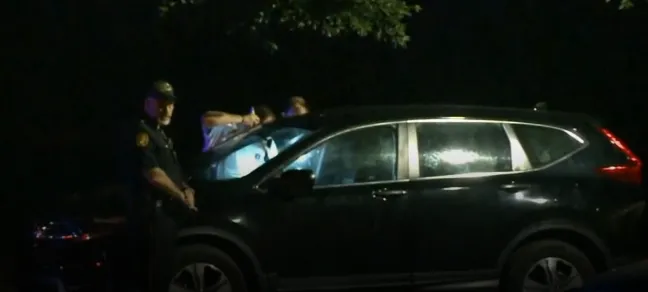
Court officials expect the trial itself to take several weeks, during which time prosecutors will present evidence, law enforcement testimony, forensic analysis, and eyewitness accounts to build their case against Yazeed.
The defense is expected to challenge the sufficiency of the evidence, argue for alternative interpretations of events, and work to create reasonable doubt in the minds of jurors as to Yazeed’s guilt.
One of the central questions that will loom over the trial is how jurors will interpret the surveillance footage, forensic findings, and witness testimony linking Yazeed to Blanchard’s disappearance and death.
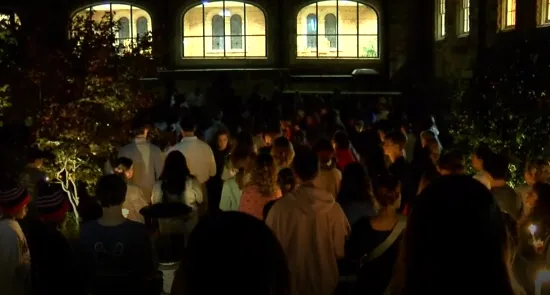
Prosecutors are anticipated to emphasize the circumstantial and physical evidence, including the timing and location of sightings, DNA and forensic links, and the sequence of events leading up to Blanchard’s disappearance.
The defense, in contrast, may focus on challenging the strength of that evidence and the interpretations of witnesses or investigators, contending that alternative explanations should leave jurors with reasonable doubt about the prosecution’s narrative.
Beyond factual disputes, the emotional weight of the case — a young woman’s life cut tragically short — will be difficult for jurors to ignore, even as they are instructed by the judge to base their verdict solely on the evidence presented in court and the applicable law.
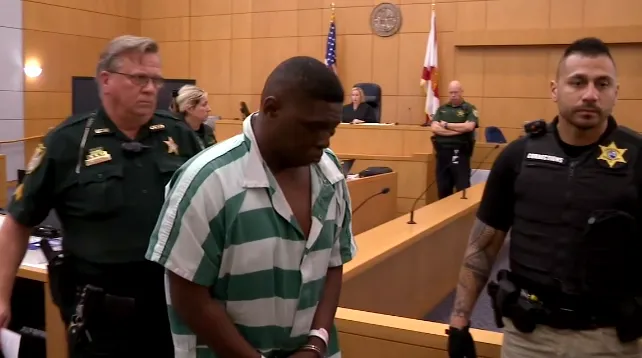
Blanchard’s death sparked profound grief and widespread attention not only because she was a vibrant young college student, but also because her family’s pain resonated with countless others who followed the story across national news outlets.
The broader public impact of the case was also reflected in legislative change in Alabama, where policymakers pᴀssed Aniah’s Law, reforming aspects of bail eligibility after prosecutors and lawmakers argued that Yazeed — out on bond at the time of Blanchard’s disappearance — should not have been free pending other violent charges.
As opening statements approach, legal analysts will be watching closely not only the evidentiary battles that unfold in the courtroom, but also the broader implications the verdict may have for criminal justice policy, victim advocacy, and public confidence in the system.
For Blanchard’s family, the trial represents both an opportunity for justice and a painful revisiting of events that forever altered their lives, a test of whether the legal process can provide the closure they have long sought.
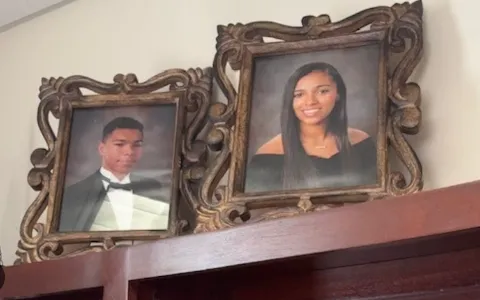
For Yazeed — who has pleaded not guilty to all charges — it is a moment that will determine whether he faces life in prison without parole or the death penalty, consequences that hinge on the jury’s ᴀssessment of whether the state has met its burden of proof beyond a reasonable doubt.
In the coming weeks, as jurors hear testimony, examine evidence, and grapple with their responsibilities, the eyes of those touched by this tragedy — and those who have followed this case since Blanchard’s disappearance — will remain fixed on the courtroom in Tuskegee.
The trial of Ibraheem Yazeed, six years in the making, has finally begun in earnest, a solemn chapter in a story of loss, accountability, and the search for justice.
In the end, the verdict — whether it brings a sense of resolution or new questions — will mark a momentous occasion in the long struggle to hold a perpetrator accountable for a crime that resonated far beyond the streets of east Alabama.
And as opening statements ring out in the courtroom after years of waiting, one thing remains certain: the eyes of Alabama and much of the nation will be watching.